Cycling is a serious hobby for me, but my professional background is in building technology companies. Because of that, I often find myself thinking about the business side of the cycling industry.
Over the past several years I’ve purchased carbon wheels from a number of direct manufacturers, including Light Bicycle, Light Travel, DFS, and others selling through AliExpress. One thing has become clear: many factories are now capable of producing excellent wheels, often comparable in performance to well-known Western brands.
At the same time, the market has become crowded and confusing for riders. Many companies sell similar products, and it’s not always clear which brands are trustworthy.
This led me to a simple question:
What would a modern direct-to-consumer wheel brand look like if it were designed from scratch today?
The document below is an attempt to answer that question. I originally wrote it as a strategy memo to share with a few manufacturers, but I thought it might also be interesting to riders and others who follow the cycling industry.
It’s not a business plan — just a thought experiment about how manufacturing capability, simple product design, and creator-driven distribution might combine to build a new kind of cycling brand.
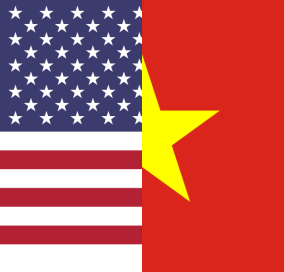
I have spent many years starting and running technology companies, including products that reached millions of users in the United States and Vietnam.
Cycling has also been a serious personal hobby for many years. Because of that, I often think about the business side of cycling and how new companies can succeed.
Over the past several years I have purchased and ridden carbon wheels from a variety of direct manufacturers, including companies such as Light Bicycle, DFS, and other vendors selling through AliExpress and independent websites. These experiences have helped me understand both the strengths of these products and the challenges Western riders face when deciding which brands to trust.
Many Chinese manufacturers are now capable of producing carbon wheels with excellent engineering and competitive pricing. In many cases, these products are comparable in quality and performance to wheels sold by well-known Western brands.
However, many Western riders still hesitate to purchase directly from overseas manufacturers.
The reasons are usually not the product itself, but concerns such as:
- uncertainty about quality control
- uncertainty about customer support
- difficulty knowing which brands are trustworthy.
At the same time, the carbon wheel market has become crowded. Many companies sell similar products, but the differences between brands are often unclear to customers.
Because of this, there is a clear opportunity.
If manufacturing excellence can be combined with clear brand positioning and modern distribution channels, it may be possible to build a trusted direct-to-consumer wheel brand for Western riders.
The Model in One Page
The Opportunity
Chinese manufacturers are already producing high-quality carbon wheels.
However, many Western riders still lack confidence when buying directly from overseas brands.
A brand that clearly communicates trust, simplicity, and value could solve this problem.
The Concept
A modern wheelbuilder brand built around three principles:
- Benchmark wheels
Wheels designed around the most respected categories in the market. - Simple pricing
All wheels priced at:
$999 delivered
- Creator collaboration
Cycling content creators design wheel builds and explain them to their audiences.
Business Structure
Manufacturer
→ builds high-quality wheels
Creators
→ design builds and share their experience
Riders
→ purchase trusted wheels at a fair price
Brand Philosophy
The philosophy of the brand can be summarized in three lines:
99% of the performance
No hype
$999 delivered
Great wheels come from:
- proven rim designs
- reliable components
- careful wheelbuilding practices.
The goal is not to invent new wheel technology.
The goal is to apply proven engineering principles, similar to how respected wheelbuilders operate.
Product Strategy (Benchmark Wheels)
The product lineup should follow the most respected categories in the cycling market.
Instead of inventing new product segments, the goal is to build wheels that match the purpose of the best wheels already available.
Core wheel platforms:
| Wheel | Depth (F/R) | Category |
|---|---|---|
| Climb | 35 / 40 | climbing road |
| Allroad | 40 / 50 | everyday road |
| Aero | 50 / 60 | aero road |
| Gravel | 40 / 45 | gravel race |
These four wheels cover the majority of riders.
Benchmark Comparison
| Category | Benchmark Wheel | Depth | Typical Price | Our Wheel | Depth | Price |
|---|---|---|---|---|---|---|
| Climbing Road | ENVE SES 3.4 | 38/42 | ~$2550 | Climb | 35/40 | $999 |
| All-Around Road | Reserve 42/49 | 42/49 | ~$2400 | Allroad | 40/50 | $999 |
| Aero Road | ENVE SES 4.5 | 50/56 | ~$2850 | Aero | 50/60 | $999 |
| Gravel Race | Zipp 303 | 40/40 | ~$2100 | Gravel | 40/45 | $999 |
The goal is not to copy products, but to match the same performance categories.
Creator Collaboration Model
Another key part of the strategy is working with cycling creators.
Many riders learn about equipment through YouTube, Instagram, and other content platforms.
Instead of traditional sponsorships, creators can design their own preferred wheel build using the core platforms.
Creators can choose:
- hub configuration
- spoke type
- spoke count.
They explain why they chose the setup and ride the wheels publicly.
Riders can then purchase the same configuration.
Creator Revenue Model
All wheels remain priced at:
$999 delivered
The manufacturer keeps the normal production margin.
Remaining margin can form a creator revenue pool.
Creators can influence their earnings based on configuration choices:
- premium hubs → lower margin
- simpler configurations → higher margin.
This keeps the model simple and transparent.
Launch Plan
The concept can begin as a small experiment.
It does not require large investment.
Step 1 – Simple Website
Build a simple website focused on:
- the people behind the wheels
- the company story
- brand philosophy
- wheel lineup
- creator builds.
The site should feel like a modern wheelbuilder workshop.
Example costs:
Website platform: ~$50/month
Domain: ~$25/year
Step 2 – Simple Ordering
Initial orders could be handled through:
- PayPal invoices
- WhatsApp support.
This keeps operations simple while testing demand.
Step 3 – Creator Testing
Start with 2–3 creators.
Each creator could test up to four wheelsets.
Examples:
- Allroad 40/50
- Aero 50/60
- Gravel 40/45.
Creators may launch their own builds or simply produce review content.
Possible content includes:
- ride testing
- wheel design discussions
- wheelbuilding process
- behind-the-scenes videos.
Why This Is Worth Trying
This strategy requires very little upfront investment.
Most manufacturers already have the most important capability:
the ability to build excellent wheels.
Testing the idea only requires:
- a simple product lineup
- a simple website
- a small number of creator partnerships.
If the idea succeeds, it could grow into a strong direct-to-consumer wheel brand.
If it does not succeed, the cost of testing the concept is very small.
Closing
I wrote this proposal because I believe Chinese manufacturers have a unique opportunity in the Western cycling market.
Manufacturing capability already exists.
With a clear brand story and modern distribution through creators, it may be possible to build a trusted wheel brand for Western riders.
Even if this exact strategy is not adopted, I hope these ideas are helpful.
If you would like to discuss the concept further, I would be happy to talk.


 I Spit Hot Fire